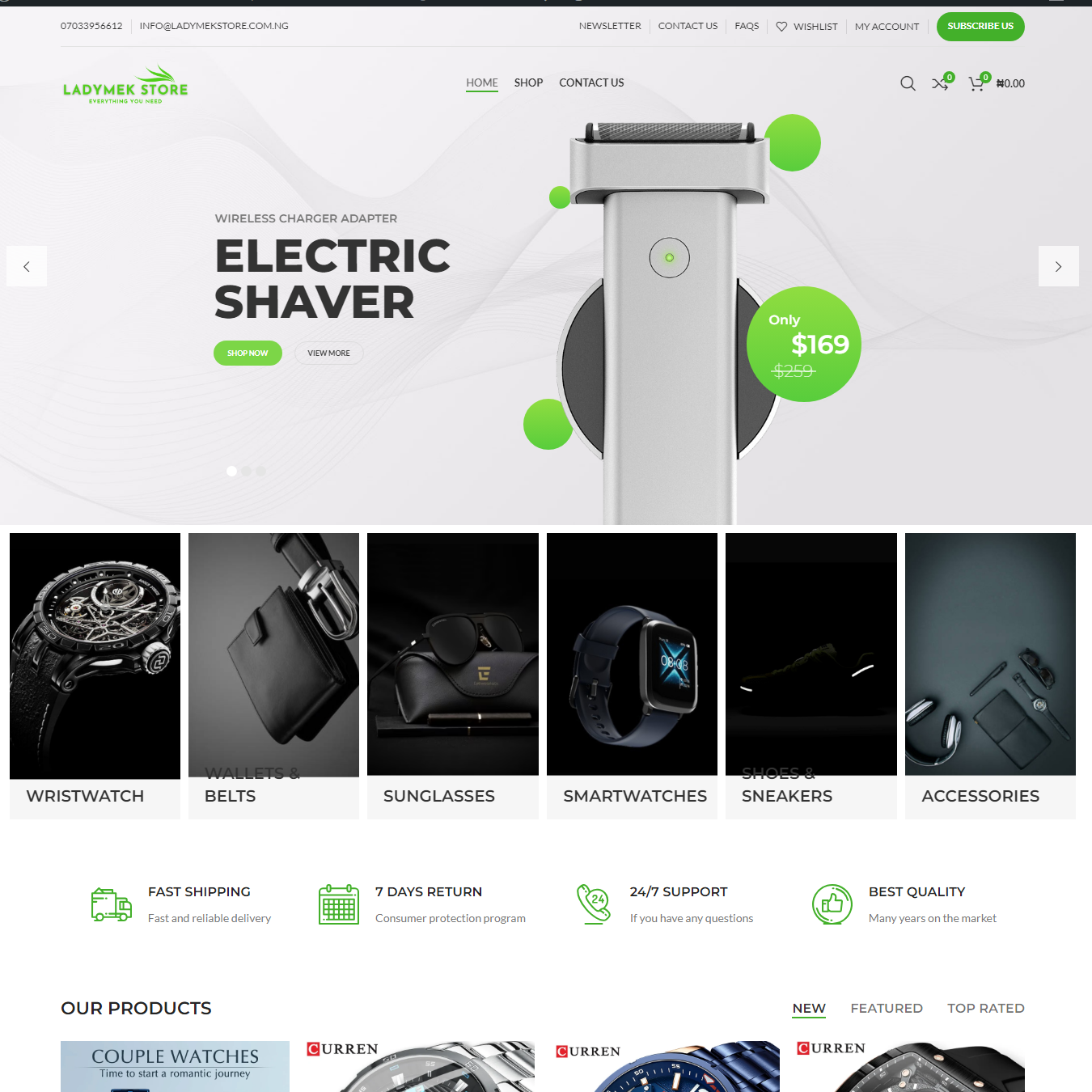


The Ultimate Guide to E-commerce: Platforms, Benefits, and Everything You Need to Know
E-commerce has revolutionized the way we shop and do business. With the convenience of online shopping becoming a norm, businesses are increasingly turning to e-commerce platforms to reach a global audience. This comprehensive guide will cover the essentials of e-commerce, the most suitable platforms for setting up an online store, the pros and cons of each platform, and the myriad benefits of owning an e-commerce store.
What is E-commerce?
E-commerce, or electronic commerce, refers to the buying and selling of goods or services using the Internet. It encompasses a variety of business transactions including retail sales, online auctions, and digital payments. E-commerce has become a vital part of the global economy, providing businesses with the opportunity to reach customers around the world.
Benefits of Owning an E-commerce Store
- Global Reach: Unlike a physical store, an e-commerce site can attract customers from all over the world, significantly expanding your market.
- 24/7 Availability: An online store is always open, allowing customers to shop at their convenience and increasing sales opportunities.
- Lower Overheads: E-commerce businesses can save on costs related to physical retail spaces, such as rent, utilities, and in-store staff.
- Data Analytics: Online stores can track customer behavior, preferences, and purchasing patterns to optimize marketing strategies and improve customer service.
- Personalization: E-commerce platforms can offer personalized shopping experiences through targeted marketing and product recommendations.
- Scalability: Online businesses can easily scale operations to meet demand without significant additional investment.
Popular E-commerce Platforms
Several platforms are available for setting up an e-commerce store, each with its own set of features, advantages, and drawbacks. Here, we’ll explore some of the most popular options: Shopify, WooCommerce, Magento, and BigCommerce.
Shopify
Pros:
- Ease of Use: Shopify is known for its user-friendly interface and easy setup, making it accessible even for beginners.
- All-in-One Solution: Hosting, security, and updates are managed by Shopify, allowing you to focus on running your business.
- Comprehensive E-commerce Features: Offers robust tools for inventory management, payments, shipping, and more.
- 24/7 Support: Reliable customer support is available around the clock.
- App Store: A wide range of apps to extend functionality and customize your store.
Cons:
- Cost: Monthly subscription fees can be higher, especially with premium apps and themes.
- Transaction Fees: Additional fees apply for using third-party payment gateways.
- Customization Limitations: Less flexible than open-source platforms in terms of deep customization.
WooCommerce
Pros:
- Flexibility: As a WordPress plugin, WooCommerce is highly customizable with thousands of themes and plugins.
- Cost-Effective: The core plugin is free, though you may incur costs for hosting, premium themes, and plugins.
- SEO-Friendly: Advanced SEO capabilities are available through WordPress plugins like Yoast SEO.
- Large Community: Extensive community support and resources.
Cons:
- Technical Knowledge Required: Requires more setup and maintenance, including managing hosting, security, and updates.
- Compatibility Issues: Some plugins may not work well together, requiring troubleshooting.
- Scalability Challenges: These may require additional plugins and optimizations to handle large-scale operations effectively.
Magento
Pros:
- Highly Customizable: Offers extensive customization options, ideal for large businesses with complex needs.
- Scalable: Designed to handle large-scale e-commerce operations.
- Feature-Rich: Comprehensive set of e-commerce features, including advanced inventory management, multi-store capabilities, and more.
- Strong Community: Supported by a large community of developers and extensive resources.
Cons:
- Complexity: Requires significant technical expertise to set up and manage.
- Cost: Higher costs associated with hosting, development, and maintenance, particularly for the enterprise edition.
- Resource-Intensive: Requires powerful hosting solutions to run efficiently.
BigCommerce
Pros:
- Ease of Use: User-friendly interface with straightforward setup.
- Comprehensive Features: Robust built-in e-commerce tools, including advanced SEO, multi-channel selling, and more.
- Scalability: Suitable for businesses of all sizes, from startups to large enterprises.
- No Transaction Fees: Unlike Shopify, BigCommerce does not charge transaction fees on any plan.
Cons:
- Design Limitations: Fewer themes and design options compared to some competitors.
- Cost: Monthly plans can be expensive, especially for small businesses.
- Learning Curve: While easier than Magento, it can still be challenging for complete beginners.
Choosing the Right Platform
When selecting an e-commerce platform, consider the following factors:
- Business Size and Scale: Smaller businesses may prefer the simplicity of Shopify or BigCommerce, while larger enterprises might benefit from the flexibility of Magento.
- Technical Expertise: If you have limited technical skills, Shopify or BigCommerce may be more suitable. If you have a development team, WooCommerce or Magento offer greater customization.
- Budget: Evaluate the total cost of ownership, including hosting, development, maintenance, and transaction fees.
- Features and Functionality: Ensure the platform meets your specific e-commerce needs, such as multi-channel selling, inventory management, and payment processing.
- Growth Potential: Choose a platform that can scale with your business as it grows.
Conclusion
E-commerce offers unparalleled opportunities for businesses to reach a global audience, operate 24/7, and leverage data to drive growth. By understanding the strengths and weaknesses of popular e-commerce platforms like Shopify, WooCommerce, Magento, and BigCommerce, you can make an informed decision that aligns with your business needs and goals. Whether you’re starting a new online store or looking to upgrade your existing one, investing in the right e-commerce platform is crucial for long-term success.